Commercial Waste Removal in Croydon
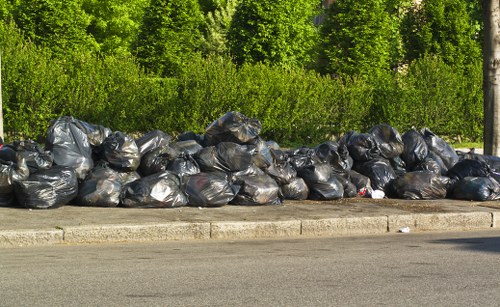
Commercial waste removal in Croydon should be straightforward, reliable and suited to the way a business actually works. We handle the collection and removal of mixed non-hazardous waste from offices, shops, hospitality premises, workshops and other commercial spaces, helping you clear surplus items without turning the task into a disruption. The emphasis is on practical waste handling, sensible sorting and a tidy finish that leaves the space ready for its next use.
Our service covers a range of routine and occasional clearances, from bulky office furniture to general commercial rubbish that has built up over time. We can remove items that are awkward to move, organised in storage areas or left behind after a refit, move or housekeeping reset. If you need commercial waste removal that is organised with care and clear communication, this page sets out the main options and the type of work we can support.
For a quick next step, take a simple list of what needs collecting and note any access points, loading restrictions or time limits. That gives a clearer starting point for a quotation and helps keep the removal efficient. When you are ready, send the details through and we can discuss the most suitable approach.
Business Waste Clearance for Everyday Premises
Business waste clearance is often needed when normal bin capacity is not enough, or when items are too bulky, mixed or infrequent to suit day-to-day collections. We can deal with bagged rubbish, boxed materials, packaging, broken fixtures and accumulated waste from back rooms, stock areas and workspaces. The aim is to remove what no longer serves the business while keeping the process orderly and proportionate to the site.
Some clients only need a one-off clear-out, while others want support after stock rotation, an internal move or a change of layout. Our approach is designed around the kind of waste being removed, the space it occupies and any practical constraints such as stairs, narrow access or loading arrangements. If there are separate waste streams, we can usually sort items sensibly so that reusable, recyclable and non-recoverable materials are handled in a considered way.
It can help to remember a short list before requesting a quotation:
- the main types of waste present
- approximate quantity or number of items
- where the waste is stored
- any access or timing limitations
Office Waste Removal and Internal Clearances

Office waste removal usually involves more than simply taking away a few unwanted desks. It may include chairs, filing units, shelves, monitors, archive materials, reception furniture and mixed office clutter that has been building up across work areas. We can support clearances that happen in stages, as well as larger resets where rooms need to be emptied before a new setup, decoration or relocation plan can take place.
Office clearance can be especially useful when you need the work handled with attention to layout, access and separation of items. Some businesses want everything removed from a single room; others need only certain categories taken away while equipment, documents or fixed fittings remain in place. The service can be adapted to those needs, with care taken around corridors, lifts, shared entrances and occupied workspaces.
Where office items include a mix of furniture and general waste, it is often sensible to group them in advance if you can do so safely. That need not mean detailed sorting; even a simple distinction between bulky furniture, loose rubbish and anything that should stay on site can save time. When preparing a quotation, a few photographs or a clear written description are often enough to show scale and access, so you do not have to overcomplicate the enquiry.
Furniture and Bulky Item Disposal
Furniture disposal is a common part of commercial waste removal because premises often hold items that are still usable in principle but no longer suitable for the business. We can remove desks, chairs, cabinets, tables, shelving and similar bulky pieces from offices, retail units, storage rooms and shared commercial spaces. The work is arranged to get the items out cleanly and to leave circulation areas clear once the job is complete.
Furniture disposal can suit situations where a room needs to be emptied before refurbishment or where older pieces are simply taking up valuable space. Some items may be straightforward to move, while others need careful handling because of size, weight or awkward shapes. We plan the removal around access, stairwells, vehicle loading and any separation needed between furniture and other waste types.
If the furniture has been in storage for some time, it may help to check whether it is all destined for the same outcome or whether some pieces should remain on site. That small decision can make the removal smoother. Useful information up front usually means a more accurate quotation and fewer surprises on the day. If the job is mainly about bulky items, say so clearly and include the number of rooms involved.
Builders’ Waste and Fit-Out Waste
Builders’ waste clearance covers the materials left after alteration, repair or fit-out work in commercial premises. This can include timber offcuts, packaging, plasterboard, broken fittings, old fixtures, floor coverings and general debris from a room or unit that has been refurbished. We can remove these materials once they are ready to leave site, helping restore usable space without you having to organise a separate removal arrangement for each waste type.
Builders waste clearance is relevant when a project has produced mixed non-hazardous debris rather than neat, single-material stacks. The best results come from clear access and an understanding of what remains on the premises, such as fixed installations, reusable stock or equipment that should not be disturbed. A careful clearance can support the final stage of a project by reducing visual clutter and improving working space.
Where fit-out waste includes both reusable items and disposal material, a brief label or grouping system can save time. For example, items can be set aside by room or by broad type, provided this can be done safely. That is not about creating a perfect inventory; it is about making the collection practical. If you are asking for a quotation, a concise note on the project stage and waste volume is usually enough to start the conversation.
House, Flat and General Clearance Options
Although the focus here is commercial waste removal, some businesses also need support with spaces that behave more like domestic storage areas than formal workplaces. That can include flat clearances, house clearances or general clearance of items kept above shops, in converted premises or in mixed-use buildings. The same practical principles apply: remove the agreed items, manage access sensibly and leave the area ready for its next purpose.
Flat clearance can be useful when a small commercial tenancy, live-work space or upper-floor unit contains bulky items that are difficult to move by ordinary means. The work may involve furniture, household-style waste, loose belongings and mixed stored items. Because these spaces often have shared stairs, lifts or narrow entrances, careful planning matters as much as the clearance itself.
House clearance and other general clearances may also be relevant where a business occupies premises that have inherited domestic-style contents or archive spaces. One clear list of what should be removed is usually better than several scattered instructions. If there are items that must stay, keep them separate and mention any access constraints. That makes the quotation process easier without requiring a complicated survey.
About Croydon
Croydon is a large town in South London that has long functioned as an important transport and commercial centre. It lies within the historic county of Surrey and is now part of the London Borough of Croydon. The town’s character reflects repeated phases of change: a medieval market settlement, later suburban growth linked to rail travel, and major twentieth-century redevelopment. The result is an urban area where older landmarks and modern civic structures sit close together. West Croydon and East Croydon stations remain key points in the town’s transport network, while Tramlink also connects Croydon with surrounding parts of south London. The town centre includes a mix of shopping streets, office blocks, civic buildings and residential streets, giving it a varied urban pattern rather than a single dominant character. Among the best-known civic landmarks is the Grade II listed old town hall on Katherine Street, and the nearby Fairfield Halls is a notable cultural venue that reopened after major refurbishment. Park Hill and the open spaces around Wandle Park add greenery to the urban fabric, while the River Wandle itself forms part of the borough’s wider landscape and history. Croydon’s identity is also shaped by its role as a gateway between central London and the southern suburbs, which has influenced building styles, transport links and the pace of development over time. In local architecture, the contrast between Victorian streets, post-war estates and newer commercial schemes is especially visible around the town centre. That variety gives Croydon a layered streetscape in which historic references, civic functions and everyday retail life continue to overlap.
Recycling, Sorting and Responsible Handling

Recycling and sorting matter because commercial waste is rarely a single material type. Offices produce paper, card, broken furniture, plastics and metal parts; retail units may add packaging and display materials; workshops often generate a different mix again. We work with the waste that comes from the premises rather than expecting every item to be perfectly separated before collection, but a little grouping can still help direct recyclable materials into the right stream.
Recycling and sustainability explains the broader approach to handling recoverable materials alongside non-recoverable waste. In practical terms, that means paying attention to what can be separated, what needs careful handling and what should simply be removed as part of the agreed clearance. The emphasis is on sensible processing rather than making unrealistic promises about every item having a second life.
Where a site includes a mix of paper records, old furniture, packaging and general rubbish, it can help to keep any sensitive paperwork apart from ordinary waste. That is one reason some businesses use confidential shredding for documents that should not be left mixed with the rest of the clearance. When you are planning a job, it is often useful to say which broad categories are involved so the collection can be organised in the right order.
Special Items, Appliances and Larger Loads
Some commercial clearances involve items that are awkward because of size, shape or weight rather than volume alone. Fridges, display units, sofas from staff areas, mattresses from managed accommodation, and similar pieces can take more planning to move safely through the building. We can remove these larger items as part of a broader waste collection, provided they are covered by the agreed scope of the job.
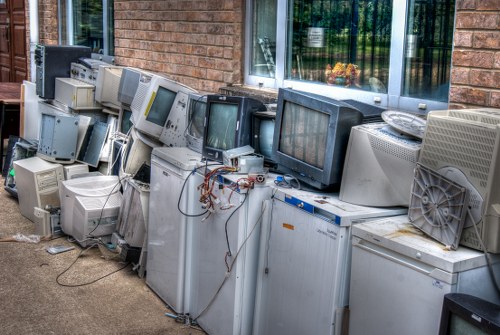
Fridge and appliance removal is useful where electrical items no longer belong on site and need to be taken away with care. Larger appliances may need extra attention because they are bulky and can be difficult to manoeuvre through standard access routes. Likewise, mattress and sofa disposal can be relevant where staff accommodation, waiting areas or mixed-use premises hold soft furnishings that are ready to go. The right approach is to match the collection to the item type, rather than forcing everything into a generic method.
If you are unsure whether a particular item belongs in the main waste pile or should be handled separately, mention it in the enquiry. Item type, access and quantity are the three details that usually shape the quotation most clearly. A brief note is enough; there is no need to create a full inventory unless the job is especially mixed or large.
Pricing Factors and Quotation Preparation

Commercial waste removal quotations are usually shaped by a few practical factors: the amount and type of waste, the access to the property, the labour needed to move items, and any time constraints that affect the work. A room full of light packaging is a very different task from the removal of heavy furniture from an upper floor. For that reason, a good quotation is usually based on the real job rather than on a generic size estimate.
Pricing and quotes is the place to review how quotations are approached across different kinds of work. If you can describe the items, the location within the building and the scale of the clearance, it becomes easier to match the job to the right solution. Photos can help, but a clear written summary works too. If the waste is spread across several rooms or floors, say so directly so the collection can be planned properly.
Contact us when you are ready to arrange commercial waste removal in Croydon and want a quotation based on the actual work needed. If you prefer to prepare first, gather the key details, check access and decide whether any items should stay on site. Then send the enquiry and we can take it from there.
Planning the Collection Around Your Premises
Commercial waste removal works best when the collection fits the premises rather than interrupting them. That means considering opening hours, loading arrangements, shared entrances, lift use and any nearby staff or customers who may be affected by the job. We can work around the practical layout of the site, whether the waste is in a back office, a storage room, a basement or a ground-floor unit with direct access.
For many businesses, the most useful part of planning is deciding how much preparation to do before the collection starts. In some cases, waste can simply be left where it is; in others, a little grouping by room or category can make the job smoother. Keep this to the minimum necessary. There is no need to overprepare if the waste is already accessible and the scope is clear. The aim is always to make the process efficient without asking you to do unnecessary work.
When the time comes to book, remember that the most helpful information is often the simplest: what needs removing, where it is, and whether anything unusual affects access. If you have already identified bulky items or special handling needs, include them in the same note. That keeps the quotation stage focused on the actual removal rather than on guesswork.