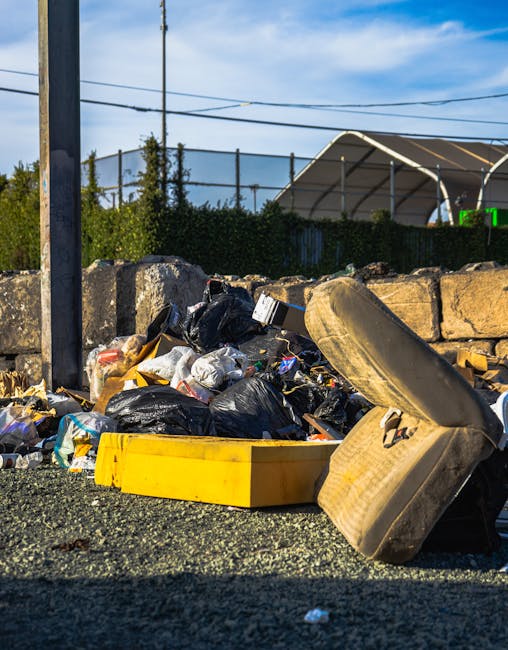
East Croydon Station rubbish clearance CR0 tips: a practical local guide
If you are trying to sort out East Croydon Station rubbish clearance CR0 tips, chances are you want the job done quickly, tidily, and without turning a normal day into a small disaster. Maybe you are clearing a flat near the station, managing a shop stockroom, or dealing with awkward items after a move. Whatever the situation, rubbish builds up faster than people expect. One minute it is a few bags and a broken chair; next thing, the corner of the room feels like a storage cupboard gone rogue.
This guide breaks down how rubbish clearance around East Croydon Station and the wider CR0 area usually works, what to watch out for, and how to plan a clean, stress-light clearance from start to finish. You will also find practical tips on timing, compliance, sorting, and choosing the right type of clearance for the job. No fluff. Just the stuff that helps.
Quick takeaway: the best rubbish clearance near East Croydon Station is the one that is planned around access, item type, timing, and safe handling. A little prep saves a lot of hassle.
Table of Contents
- Why East Croydon Station rubbish clearance CR0 tips Matters
- How East Croydon Station rubbish clearance CR0 tips Works
- Key Benefits and Practical Advantages
- Who This Is For and When It Makes Sense
- Step-by-Step Guidance
- Expert Tips for Better Results
- Common Mistakes to Avoid
- Tools, Resources and Recommendations
- Law, Compliance, Standards, or Best Practice
- Options, Methods, or Comparison Table
- Case Study or Real-World Example
- Practical Checklist
- Conclusion
- Frequently Asked Questions
Why East Croydon Station rubbish clearance CR0 tips Matters
East Croydon Station is one of those places where movement never really stops. People are coming and going, streets are busy, access can be tight, and time matters. That makes rubbish clearance in CR0 a bit less forgiving than a quiet suburban street with plenty of room to park a van and sort things out at leisure.
Good clearance tips matter because they help you avoid the most common problems: blocked access, missed collections, damaged communal areas, and the dreaded half-cleared pile that sits there overnight. In a busy part of Croydon, even a small delay can ripple into a bigger issue. If you are clearing an office, a flat, or a business unit close to the station, it is usually better to plan like a pro than to improvise on the day. Truth be told, improvising with heavy waste rarely ends well.
It also matters because not all waste is the same. General rubbish, old furniture, appliances, builders' rubble, confidential papers, and garden waste all need slightly different handling. Mix them together and you can create extra cost or extra complexity. Separate them neatly and the job gets much easier.
There is another reason too: the local environment. Croydon residents and businesses tend to notice when waste is left badly, especially near busy commuter routes. A neat clearance is not just efficient; it keeps entrances usable, avoids complaints, and shows respect for neighbours and passers-by.
How East Croydon Station rubbish clearance CR0 tips Works
At a practical level, rubbish clearance starts with three questions: what needs removing, how much there is, and how quickly it needs to go. That sounds simple, but it changes the whole plan.
For a small clear-out, you may only need a few bags and a couple of bulky items taken away. For larger jobs, you might be dealing with multiple rooms, an end-of-tenancy situation, or a business clean-out where waste is spread across a store room, reception area, and back office. In those cases, the clearance process usually works best when items are grouped before removal begins.
Here is the rough flow most people follow:
- Identify the waste - Separate general rubbish from furniture, appliances, hazardous items, and anything that might need special handling.
- Estimate volume - Think in terms of bags, items, or room sections, not just "a bit of clutter". That word hides a lot.
- Check access - Near the station, access, parking, stairs, loading time, and building rules can make a big difference.
- Choose the right service type - A waste removal service, furniture clearance, office clearance, or specialist disposal may suit different needs.
- Prepare the site - Move items to a safe collection point if possible, and keep walkways clear.
- Remove and sort - A responsible clearance team will normally separate reusable and recyclable items where practical.
- Finish with a final sweep - Small bits, dust, packaging, and odd scraps are easy to miss if nobody checks properly.
In our experience, the smoothest jobs are the ones where someone has already done a quick "before" sort. Even 20 minutes of prep can save a surprising amount of time once the clearance starts.
Key Benefits and Practical Advantages
A well-planned rubbish clearance near East Croydon Station offers more than a tidy room. It gives you breathing space, faster turnaround, and fewer awkward decisions on the day. That sounds obvious, but people often underestimate how relieving it feels to see a pile disappear all at once. One minute it is crowding the room; the next it is gone. Quietly satisfying, really.
- Less disruption - Clear planning means less time blocking entrances, stairwells, or shared areas.
- Better safety - Loose waste, broken items, and overloaded bags are easier to manage before anyone trips or strains themselves.
- Cleaner handovers - Handy for landlords, tenants, shop owners, and office managers working to a deadline.
- More control over costs - Sorting items correctly helps avoid unnecessary charges from poor preparation.
- Improved recycling potential - Reusable or recyclable materials are easier to separate when the waste is organised.
- Less stress - To be fair, this is the big one. A decent clearance removes mental clutter as much as physical clutter.
For businesses, there is also the reputation angle. A tidy, well-handled clearance says the premises are managed properly. For households, it can make a flat feel liveable again. For builders or tradespeople, it keeps projects moving. Everyone wins when the waste is handled cleanly and promptly.
If you are looking at mixed waste from a refurbishment or strip-out, it may be worth reading more about builders waste clearance alongside general waste removal options, because construction debris tends to need a slightly different plan.
Who This Is For and When It Makes Sense
This kind of clearance is useful for a lot of people around East Croydon Station and CR0. You do not need a full building site or a total hoard to make it worthwhile. Sometimes it is just a practical answer to a messy week.
It makes sense if you are:
- moving out of a flat close to the station
- clearing a rental property between tenants
- emptying an office or workspace
- removing old furniture that is too heavy to manage alone
- dealing with post-refit waste from a shop or business
- clearing a garage, loft, or garden area
- getting rid of damaged appliances or bulky household items
It also makes sense if you are short on time. A lot of people around transport hubs work to tight schedules. You may have a train to catch, a delivery slot to hit, or building access that disappears after a certain hour. In those cases, a tidy, same-day-minded approach is often more valuable than trying to handle everything yourself over several weekends.
If the job is mainly domestic, you might compare a home clearance, house clearance, or flat clearance. For specific bulky items, the more targeted furniture clearance and furniture disposal pages can be useful starting points.
Step-by-Step Guidance
If you want a smooth clearance, follow a structured process. Nothing fancy. Just a sensible sequence that reduces mistakes.
- Walk the space first. Look at what is actually there, not what you think is there. People often underestimate how much waste is hiding in corners, cupboards, and under desks.
- Sort items into groups. Keep furniture, general rubbish, appliances, documents, and any questionable materials separate. This helps later on.
- Check for anything special. Batteries, fridges, paint, chemicals, electronics, and confidential paperwork may need special handling.
- Measure access. Note narrow hallways, stairs, lift restrictions, parking limits, and any timed loading rules near the station.
- Remove hazards first. Broken glass, sharp metal, unstable stacks, and wet waste should be dealt with early.
- Keep pathways clear. If a clearance team is coming, make movement easy. It saves time and avoids bumps and scratches.
- Confirm what is included. Make sure there is no confusion about what is being taken, especially if some items are left behind intentionally.
- Do a final check. Cupboards, behind doors, above wardrobes, and under counters are the usual places people forget. Every time.
If you are dealing with work premises, a dedicated office clearance can be a better fit than a generic rubbish removal, especially if there are desks, printers, filing cabinets, and confidential material mixed in.
And if the job involves old appliances, check whether it falls under fridge and appliance removal. Fridges are a classic example of an item people think is "just another thing to lift" until they try to move one down stairs. Not fun.
Expert Tips for Better Results
Most clearance jobs go better with a few small habits. None of these are complicated, but they make a real difference.
- Book around access, not just around your calendar. If the building has a narrow loading window or a shared entrance, respect that from the start.
- Photograph awkward items before the job. This helps you stay clear about what is going and what is staying.
- Label anything uncertain. A simple note like "keep", "recycle", or "dispose" prevents last-minute guessing.
- Separate documents and personal items early. That way nothing important ends up in a mixed pile by accident.
- Don't underestimate weight. A bag of rubble, wet garden waste, or old books can be much heavier than it looks.
- Use the right disposal route for bulky household waste. Sofas, mattresses, and large white goods are easier to manage when they are treated as specific item types, not just general rubbish.
If you have bulky seating or bed items, it can help to look at mattress and sofa disposal before the job starts. Same idea with garden overgrowth or shed junk: a dedicated garden clearance or garage clearance often saves time because the waste type is more predictable.
A small human tip, from the school of hard knocks: have a bin bag and a roll of tape nearby. You will almost always find one loose bit of rubbish that needs boxing, bagging, or taping up. It is never just the main pile.
Common Mistakes to Avoid
Here is where many clearance jobs go sideways. Usually not dramatically, just enough to be annoying.
- Leaving sorting until the last minute. If everything is mixed together, you lose time and control.
- Forgetting access restrictions. A van may not be able to stop where you first imagined it would.
- Mixing hazardous and general waste. That is a bad idea in any setting.
- Assuming all bulky items are handled the same way. They are not.
- Not checking shared areas. Stairs, lobbies, and corridors need to stay clear and safe.
- Underestimating hidden waste. Behind cupboards, under shelving, and inside drawers, bits and pieces collect fast.
Another common mistake is trying to save time by skipping the planning stage. It rarely saves time. Usually it just moves the effort into a more stressful moment later. You know how that goes.
For waste that could be sensitive, messy, or higher risk, it is better to think ahead and read about hazardous waste disposal or confidential shredding if paperwork is involved. Those are the jobs where casual handling can create bigger problems than the waste itself.
Tools, Resources and Recommendations
You do not need a warehouse of equipment to organise a good clearance. A few sensible tools are enough.
- strong bin bags or rubble sacks
- marker pens and sticky labels
- tape for bundling loose items
- gloves for handling sharp or dusty materials
- a torch for checking under furniture or in storage corners
- a trolley or sack barrow for heavy but manageable items
- basic cleaning supplies for the final sweep
From a decision-making point of view, the most useful resources on the site are the pages that match the waste type you actually have. For example, if your job is linked to a business premises, business waste removal is the obvious fit. If it is a household clear-out, start with home clearance or house clearance. If you are unsure whether a skip or a collection is the better call, the page on what can go in a skip is helpful for understanding common waste boundaries, even if you ultimately choose a different method.
You can also look at pricing and quotes if you want to compare the structure of a clearance before booking. And if you prefer to handle the arrangement online, book online is a straightforward next step.
Law, Compliance, Standards, or Best Practice
For rubbish clearance in the UK, the key thing is simple: waste should be handled responsibly, and the duty of care sits with the person arranging disposal as well as the collector. You do not need to be a legal expert to make sensible choices, but you do need to avoid casual disposal. Fly-tipping, unsafe handling, and mixing the wrong waste types can create real problems.
Best practice usually means:
- using a waste carrier that operates responsibly
- keeping items separated where needed
- identifying hazardous materials before collection
- protecting communal areas and public walkways
- making sure paperwork, if relevant, is dealt with securely
- choosing a service that follows safety procedures and insurance expectations
If a provider talks about safety, it should not be vague words on a page. You want practical reassurance, clear procedures, and sensible handling of the awkward stuff. Pages such as health and safety policy, insurance and safety, and recycling and sustainability are useful signals that the business is thinking beyond the quick pickup.
A small but important point: if you are dealing with specialist items, do not guess. Fridges, chemicals, batteries, and certain office materials are not "just rubbish". They may need separate handling, and it is better to slow down for ten minutes than create a headache for everyone later.
Options, Methods, or Comparison Table
Different clearance methods suit different jobs. The right choice depends on volume, access, waste type, and how hands-on you want to be.
| Method | Best for | Pros | Watch-outs |
|---|---|---|---|
| Man and van style waste removal | Mixed household or business rubbish, bulky items, quick jobs | Flexible, fast, works well for awkward access | Needs good item sorting and clear collection points |
| Skip-style approach | Longer projects, ongoing waste, building work | Handy if waste builds over time | Needs space and may not suit tight station-area access |
| Full clearance service | Flats, offices, garages, lofts, or entire rooms | Less effort for the customer, good for larger jobs | Requires clear instructions about what stays and what goes |
| Targeted item disposal | Mattresses, sofas, appliances, one-off bulky items | Very efficient for a small number of large items | Only ideal if the waste is fairly specific |
If your job is mostly one or two categories, the more focused service usually feels smoother. For example, sofas are not the same as office desks, and a loft packed with mixed household clutter is not the same as a builder's rubble pile. If you have a broad mix, a general waste removal approach may be more practical. If the items are mostly old seating, mattresses, or related bulky pieces, the specific disposal pages may fit better.
Case Study or Real-World Example
Picture a typical CR0 scenario: a small flat a short walk from East Croydon Station. The tenant has a move-out deadline on a Friday afternoon. There is an old wardrobe, a tired sofa, two broken office chairs, a stack of cardboard, and a few bags of mixed rubbish from the final tidy-up. The lift is small, the hallway is shared, and the building manager has already asked for the route to stay clear.
The mistake would be trying to "just move things out" without sorting first. The better approach is simple. The tenant separates the cardboard, places loose rubbish into sturdy bags, checks whether the sofa needs special handling, and makes sure the route from flat to exit is clear. The collection team can then work through the load without stopping every five minutes to ask what is going where. Everyone stays calmer. The corridor stays tidy. The handover happens on time.
That is the quiet truth behind good clearance work. It is rarely about brute force. It is about sequence, access, and a bit of common sense. Not glamorous, but very effective.
Practical Checklist
Use this before any rubbish clearance near East Croydon Station:
- Confirm exactly what needs removing
- Separate general waste from bulky items
- Set aside anything hazardous, fragile, or confidential
- Check access, parking, stairs, and lift restrictions
- Move waste to an easy collection point if possible
- Protect walls, floors, and shared areas where needed
- Label items that must stay
- Keep documents, keys, and personal items safe
- Match the waste type to the right service page
- Do a final sweep of cupboards, corners, and behind furniture
- Ask for clarity on payment, timing, and what is included
If the job feels bigger than expected, that is usually a sign to slow down and organise properly, not to panic. A good checklist makes a big job feel quite manageable, honestly.
Get a free quote today and see how much you can save.
Conclusion
When you strip it back, the best East Croydon Station rubbish clearance CR0 tips come down to one thing: plan for the space you actually have. Busy access, mixed waste, and time pressure can turn a simple clearance into a frustrating one if you do not prepare. But with clear sorting, sensible timing, and the right service choice, the whole process becomes much easier.
Whether you are clearing a flat, an office, a garage, or a single bulky item, the real win is the same: less clutter, less stress, and a cleaner start. That feeling when the last bag goes, and you can hear the room again? Hard to beat, to be fair.
For a company overview, you can also visit the about us page. If you are ready to move from planning to action, the simplest next step is to get your details together and make the booking process easy on yourself.
Frequently Asked Questions
What is the best way to clear rubbish near East Croydon Station?
The best approach is to sort waste by type first, check access and timing, and then choose the clearance method that suits the volume. Mixed waste, bulky furniture, and business waste all benefit from a slightly different setup.
Can I get rid of bulky furniture in one clearance?
Yes, bulky furniture can usually be removed in one go if access is clear and the items are described properly in advance. Sofas, wardrobes, and tables are common examples, though some items may need separate handling.
How do I know whether I need waste removal or furniture disposal?
If the job includes general rubbish as well as bulky items, a broader waste removal service may be the better fit. If the main task is a sofa, mattress, or a few large pieces, a dedicated furniture disposal option is often more efficient.
Is rubbish clearance suitable for flats near the station?
Yes, it is often ideal for flats because access can be tight and carrying heavy waste yourself is awkward. A flat clearance works especially well when stairs, shared entrances, or limited parking make DIY removal difficult.
What should I do with old appliances?
Old appliances should be checked separately, especially fridges and similar items. They may need specialist handling, so it is wise to confirm the right disposal route before collection day.
Can confidential papers be taken with general rubbish?
No, confidential documents should be separated and handled securely. If paperwork is involved, confidential shredding is the safer route than putting papers into mixed waste.
Do I need to sort recyclables before collection?
It helps a lot, yes. Sorting recyclable items before the clearance makes the job cleaner and often more efficient. It also supports better recycling outcomes, which is just sensible all round.
How do I prepare a business unit for clearance?
Start by removing anything you want to keep, then separate office items, general waste, and any specialist materials. If the job involves desks, filing, or stockroom clutter, office clearance or business waste removal is usually the right starting point.
What if I have hazardous waste?
Hazardous waste should not be mixed with general rubbish. It needs careful identification and a proper disposal route, so it is best to check the specialist guidance before booking.
Is it worth booking a clearance if I only have a few items?
Yes, if the items are heavy, awkward, or difficult to transport, a clearance can still be worthwhile. A single mattress, sofa, or appliance can be more trouble than a whole set of lighter bags.
How can I reduce the cost of rubbish clearance?
The easiest way is to sort items properly, keep access clear, and be accurate about what needs removing. The less guesswork involved, the smoother the job tends to be. Simple, but effective.
What should I check before booking?
Check what is included, whether the provider can handle your waste type, how access will work, and whether any special items need separate treatment. Looking at pricing, safety, and recycling information in advance helps you avoid surprises.
Sometimes the best job is the one that quietly disappears in the background while you get on with the rest of your day. That is the goal here, really.